
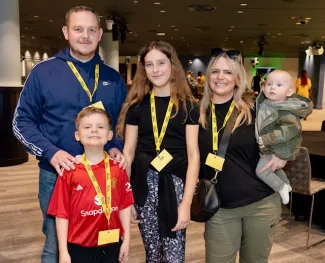
“Take each day as it comes”
Samantha Hall's son, Jackson, was diagnosed with T-cell acute lymphoblastic leukaemia aged two in 2020. She describes the impact this had, what life looks like now, and offers advice to others navigating treatment.
Samantha Hall's son, Jackson, was diagnosed with T-cell acute lymphoblastic leukaemia aged two in 2020. She describes the impact this had, what life looks like now, and offers advice to others navigating treatment.
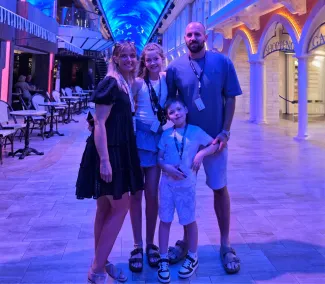
Philippa Martin’s son, Oscar, was diagnosed with acute lymphoblastic leukaemia when he was three years old in 2022. Here, Philippa tells us about the challenges of treatment and the support her family received, and offers advice to other families navigating a childhood cancer diagnosis.
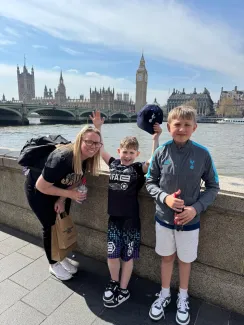
Laura Sheppard’s son, Max, was seven years old when diagnosed with acute lymphoblastic leukaemia (ALL) in May 2023. Here, she tells us about his treatment, the support they received during it, and why her family now wants to make a difference to others.
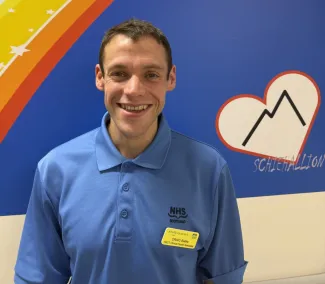
Craig Baillie is a stem cell transplant clinical nurse specialist at Royal Hospital for Children in Glasgow. Here, he explains what a stem cell transplant is, the different types, and the process of receiving one.
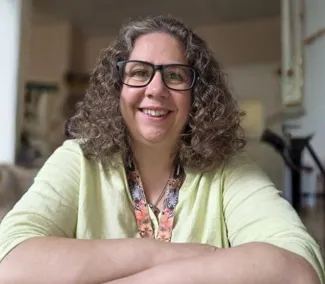
Blood is vital for the body to function properly. Dr Emmy Dickens, a consultant paediatric haematologist at Addenbrookes Hospital, explains what blood is and why it’s important.

A small number of patients with Langerhans cell histiocytosis (LCH) may develop a difficult-to-treat condition called neurodegeneration, where their nerve cells slowly stop working and die. It typically affects the brain causing clumsy movements, unsteadiness and slurred speech.
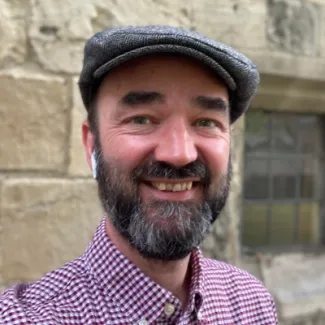
Professor Bob Phillips is the Candlelighters Chair of Supportive Care Research for Children and Young People with Cancer, University of York, Consultant Paediatric Oncologist at Leeds Children’s Hospital and CCLG member.
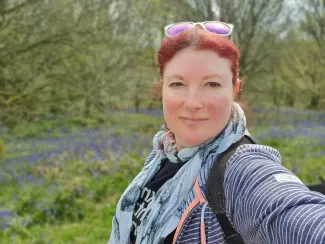
Jennifer Laidler, from the University of Birmingham’s Cancer Research UK Clinical Trials Unit, talks about what clinical trials are and why they are important.
Professor Mark Gaze, Dr Shermaine Pan, Dr Marinka Hol and Professor Marianne Aznar are part of the SMILE consortium, an international research group dedcated to minimising the long-term impact on the teeth and face in childhood cancer survivors. Here, they tell us about the group’s work.